There is a particular kind of power that only Indonesia's oldest conglomerate families understand: the power to build cities. Not buildings. Cities.
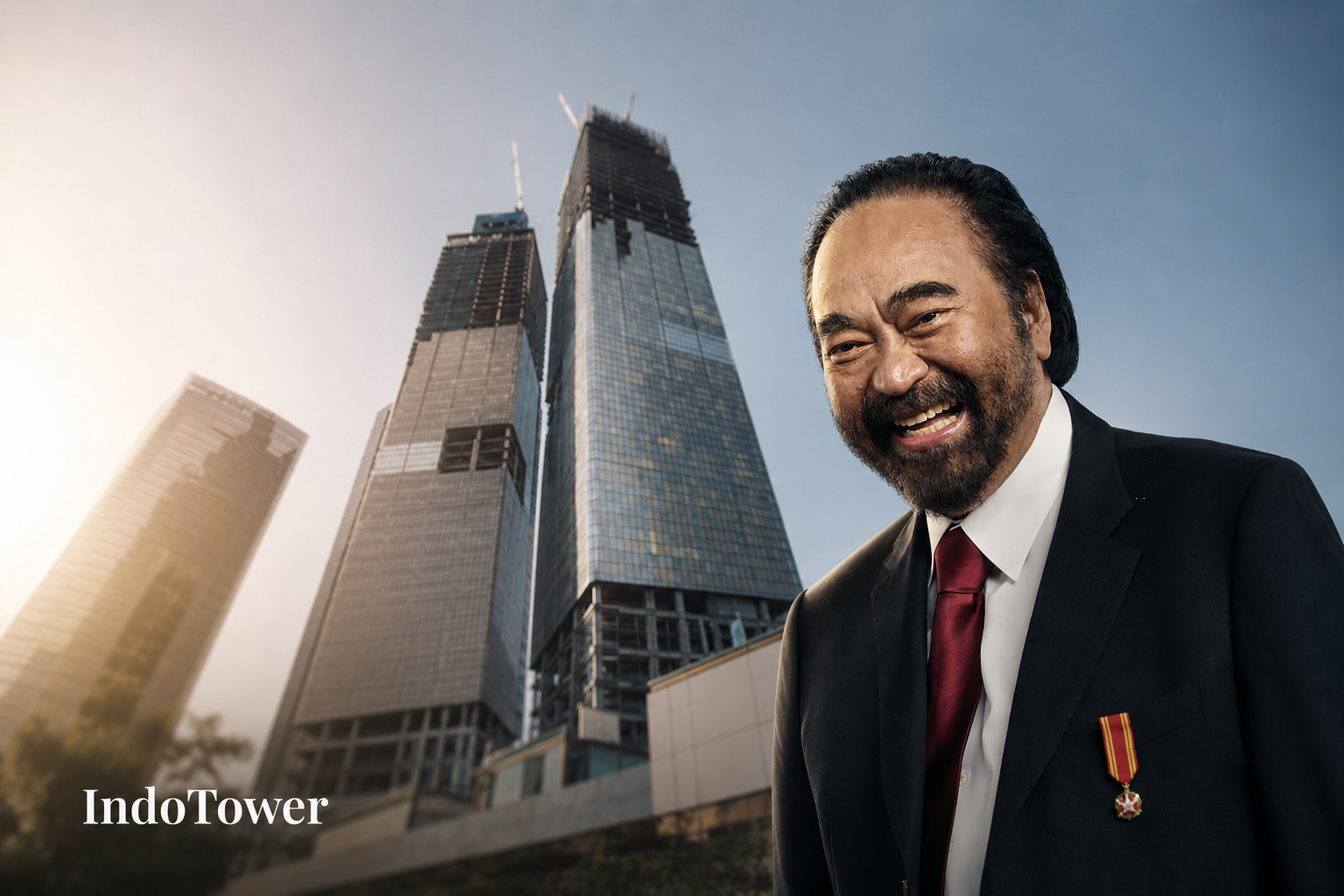
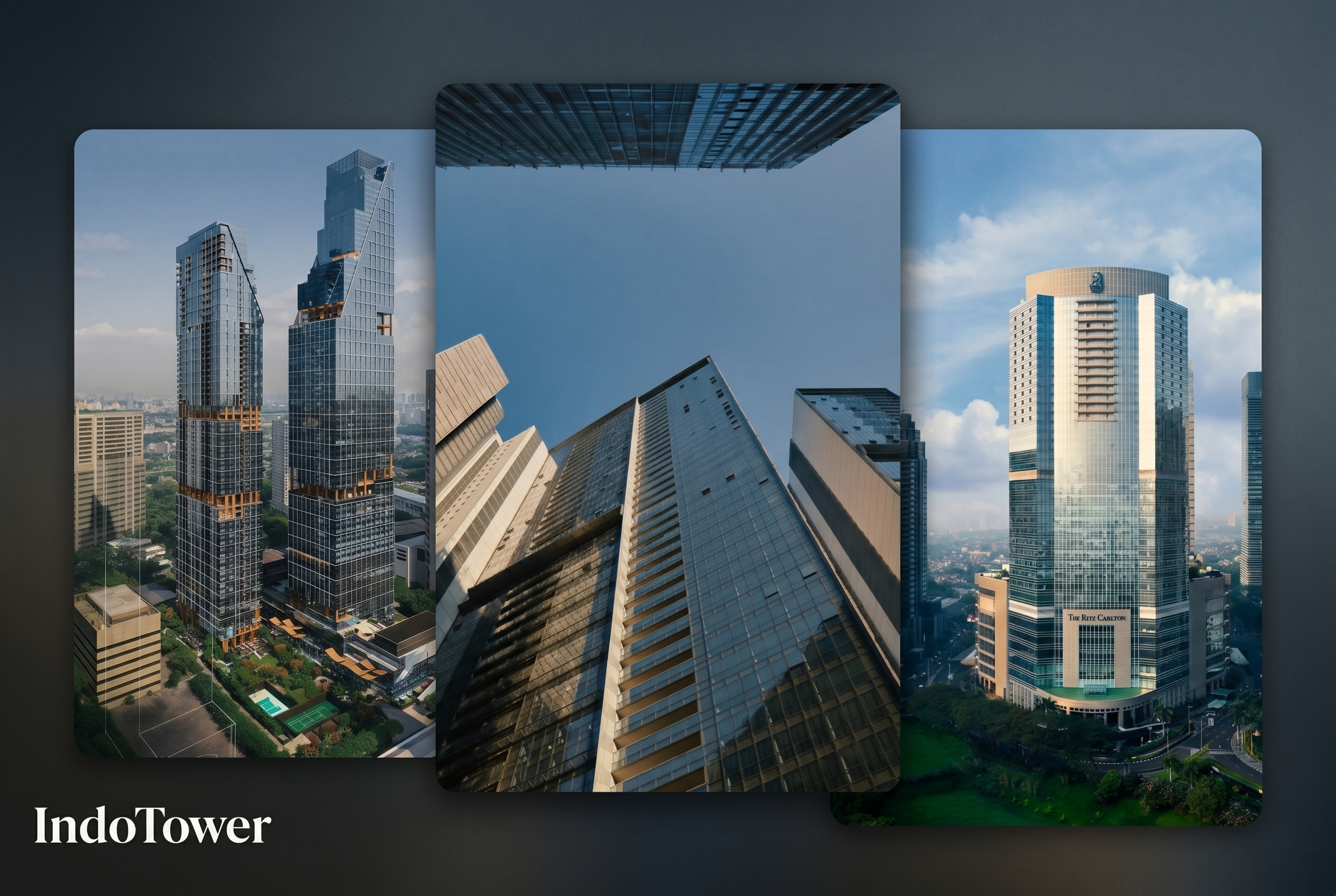
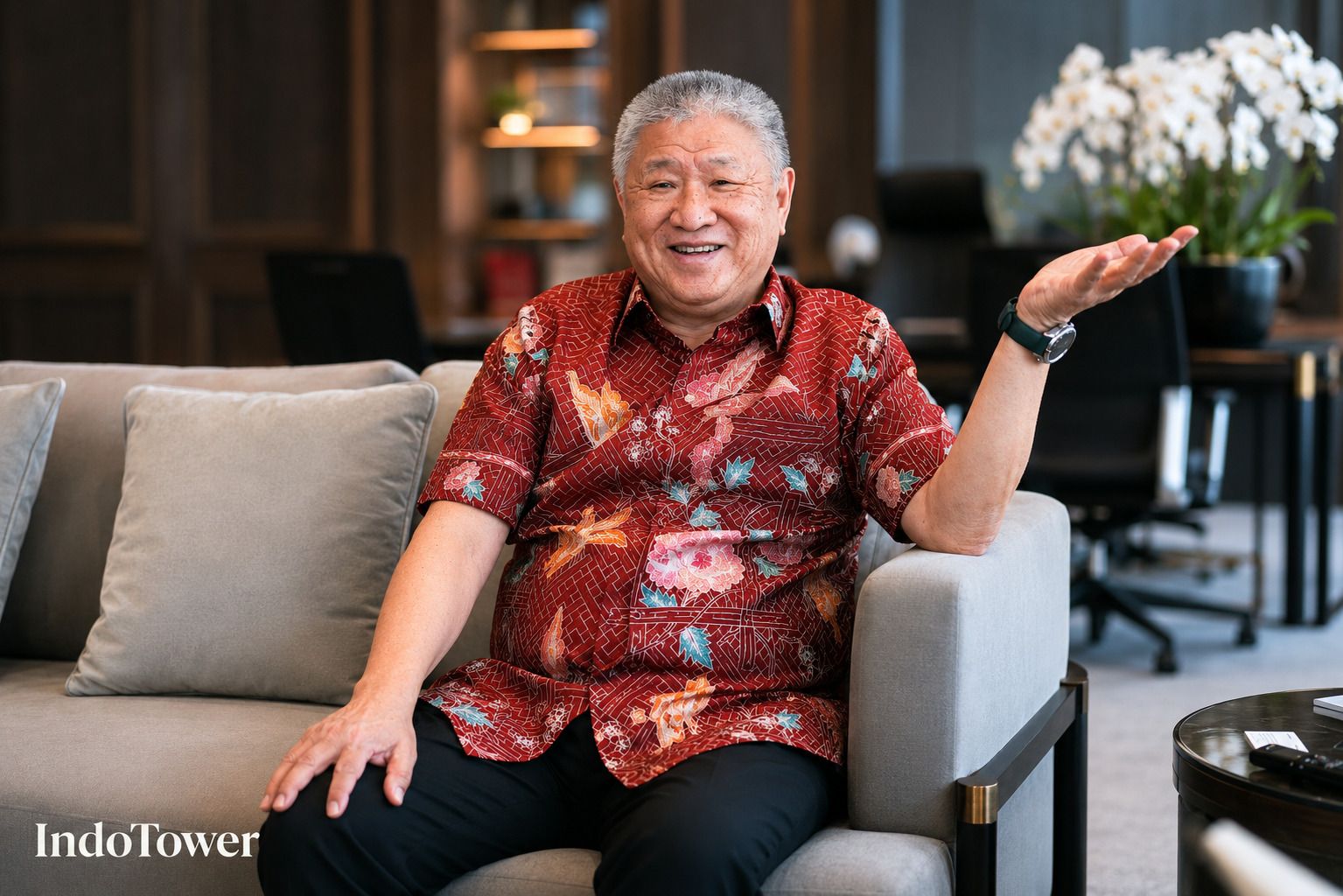
Sugianto Kusuma, 75, has spent more than five decades exercising exactly that kind of power. The Palembang-born founder of Agung Sedayu Group (ASG) began with modest real estate in Jakarta's outskirts and methodically assembled one of the most valuable private property portfolios in Southeast Asia — Kelapa Gading Square, District 8 SCBD, Taman Anggrek Residences, Mall of Indonesia, and PIK Avenue among them. His most audacious bet: Pantai Indah Kapuk 2, a 2,650-hectare master-planned township built on reclaimed coastal land in Kabupaten Tangerang, developed in a landmark joint venture with Anthoni Salim's Salim Group.
"PIK 2 is our latest masterpiece," Aguan has said. "It is a development that connects Indonesia to the international world." Kompas
For several years, that vision had government backing to match. Under President Joko Widodo, PIK 2 Tropical Coastland — the flagship eco-tourism component of the broader PIK 2 township — was designated a Proyek Strategis Nasional (PSN), Indonesia's highest-tier infrastructure classification. PSN status unlocks streamlined permitting, inter-ministerial coordination, and implicit political protection. For a project of this scale, it was an essential shield.
That shield is now gone.
The Revocation
In September 2025, President Prabowo Subianto removed PIK 2 Tropical Coastland from the official PSN list via Ministerial Regulation No. 16 of 2025 — effective immediately upon enactment on September 24. The project had previously occupied slot 226 on the PSN registry under the tourism sector. With the stroke of a regulation, one of the most politically connected real estate developments in Indonesian history lost its national strategic designation. DetikFinance
The stated rationale: synchronization with the 2025 Government Work Plan, and compliance with a Supreme Court ruling (No. 12 P/HUM/2025). But the underlying tension runs deeper. The Ministry of ATR/BPN found that the PSN project allegedly violated several spatial planning regulations, raising questions about whether the development aligned with the regional spatial plan (RTRW). CNN Indonesia
Agung Sedayu Group pushed back. President Director Nono Sampono stated that the project is built only on former protected mangrove forest areas, not on active conservation land — a distinction the company argues is critical and repeatedly omitted from public discourse. Bisnis
The legal front is equally contested. A civil lawsuit against Jokowi and conglomerates including Aguan and Salim, related to the PSN Tropical Coastland project, is registered under case number 754/Pdt.G/2024/PN Jkt.Pst. Bisnis
The Empire Behind The Controversy
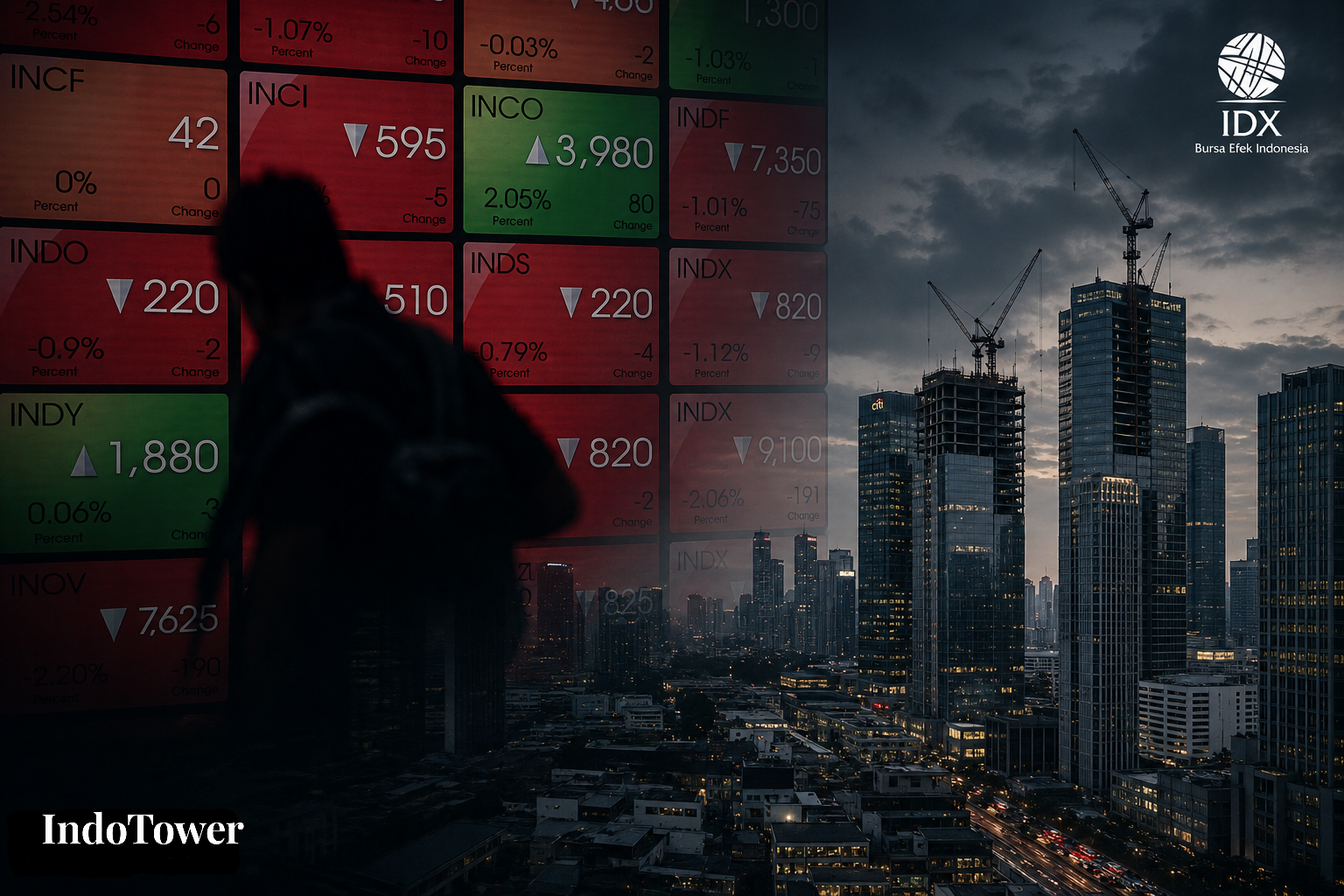
To understand what is at stake, it is necessary to understand the structure Aguan has built. Agung Sedayu Group, founded in 1971, controls an extensive web of listed and unlisted vehicles. At the apex of the PIK 2 structure sits PT Pantai Indah Kapuk Dua Tbk (PANI), the flagship listed entity. The Aguan family controls approximately 88% of PANI through PT Multi Artha Pratama. Olenka
Below PANI sits PT Bangun Kosambi Sukses Tbk (CBDK), which manages the Central Business District component of PIK 2. CBDK listed on the Indonesia Stock Exchange on January 13, 2025, with PANI holding 45%, Agung Sedayu holding 22.05%, and Salim Group affiliate PT Tunas Mekar Jaya holding a matching 22.05%. Kompas
The physical ambition of the project is staggering. PIK 2 Tropical Coastland was to develop 1,755 hectares of green-based tourism with total investment reaching Rp 65 trillion — roughly $4 billion at current exchange rates. The broader PIK 2 township spans 2,650 hectares and is designed as a self-contained city with beachfront, a convention hall, education hubs, a stadium, and international commercial zones. Its stated positioning: located just 7 minutes from Soekarno-Hatta International Airport, connecting Indonesia with the world. DetikFinanceAgungsedayu
Why The Project Survives Without PSN
Losing PSN status is a significant setback. It means no more fast-tracked permits, no cross-ministry coordination, no automatic alignment with state infrastructure priorities. For any ordinary developer, it would be a near-fatal blow.
Aguan is not an ordinary developer.
Officials noted that even without PSN status, the project can continue — it simply proceeds through standard commercial development channels. Agung Sedayu has the capital structure, the existing permits secured during the PSN era, and the two listed entities — PANI and CBDK — to continue absorbing investment independently. DetikFinance
More importantly, the fundamentals that made PIK 1 one of Jakarta's most coveted addresses have already taken root in PIK 2. The area is live. Aloha PIK 2, the Hawaiian-themed beach destination developed by ASG, is already operational and drawing significant foot traffic. The international airport proximity is real. The land bank is locked.
The Larger Signal
What the PIK 2 episode reveals is the changing architecture of power in Indonesian real estate. Under Jokowi, conglomerates with deep state ties could co-author the PSN list itself. Under Prabowo, that compact is being renegotiated. Spatial compliance, environmental review, and legal challenges are now active levers that his administration is willing to use — even against the country's most powerful property family.
For Aguan, the message is clear: the era of building cities by decree is over. What comes next will require a different playbook — one built less on political alignment and more on commercial fundamentals, capital markets discipline, and the kind of genuine demand that cannot be manufactured by ministerial designation.
If anyone in Indonesia can navigate that transition, it is the man who has been building cities since before most of his competitors were born.